
Pet play is more than just fun and games, it’s a vital part of your pet’s daily routine that supports their physical health, emotional balance, and mental sharpness. Regular play sessions strengthen your bond, encourage good behavior, and provide the stimulation pets need to thrive. Whether it’s a game of fetch, a feather wand chase, or puzzle toys that make them think, pet play helps dogs and cats live longer, happier lives.
At Temperance Animal Hospital in Temperance, Michigan, our veterinary team encourages families to make playtime a consistent part of their pets’ day. In this blog, we’ll explore how pet play benefits your pet’s overall well-being, how to choose the right toys and games, and how to make playtime meaningful at every age. For more personalized guidance about your pet’s health and activity needs, call us at (734) 847-6751 to schedule an appointment.
Why Pet Play Matters for Every Animal
Play fulfills your pet’s instinctive needs and encourages both movement and mental focus. For dogs, playtime mimics the natural behaviors of chasing, hunting, and problem-solving. For cats, it stimulates their prey drive, sharpens their reflexes, and provides an outlet for their curiosity. Without regular pet play, animals can become bored or anxious, which may lead to destructive behaviors or weight gain.
Play is also one of the most powerful bonding tools between you and your pet. Through games, pets learn communication cues and build trust. These moments teach them how to interpret your tone, gestures, and energy, strengthening the bond that makes training and daily interactions smoother.
The Physical Health Benefits of Pet Play
Engaging your pet in physical play helps keep their muscles strong and joints flexible. Running, jumping, and fetching burn calories, which helps manage weight and prevents obesity-related conditions. Active pet play also improves cardiovascular health and builds endurance. Even indoor cats benefit from short bursts of play that mimic the hunt. Toys that encourage climbing, leaping, or swatting help maintain muscle tone and balance. Just a few minutes of daily pet play can make a noticeable difference in your pet’s overall fitness and mobility.
The Mental Benefits of Playtime
Play provides valuable mental enrichment that keeps your pet’s mind alert. Puzzle feeders, scent games, and interactive toys challenge pets to think and problem-solve. This reduces boredom and prevents behavioral issues such as excessive barking, scratching, or chewing.
For older pets, mental stimulation can help maintain cognitive function. Regular pet play sessions that include gentle challenges like finding hidden treats or learning new tricks can slow cognitive decline and keep their minds active well into their senior years.
How to Choose the Right Type of Pet Play
Every pet is unique, and the best form of play depends on their age, size, and personality. The key is finding what engages their natural instincts and keeps them safely entertained.
Playtime for Dogs
Dogs love physical play that taps into their energy and instincts. Classic activities like fetch, tug-of-war, and hide-and-seek provide both exercise and mental engagement. Fetch encourages running and focus, while tug-of-war builds muscle and teaches impulse control when done properly. Interactive toys such as treat-dispensing puzzles or snuffle mats provide a mental challenge and keep your dog busy when you’re not available to play. If you have a high-energy breed, consider agility games or dog sports to give them a productive outlet for their enthusiasm.
Playtime for Cats
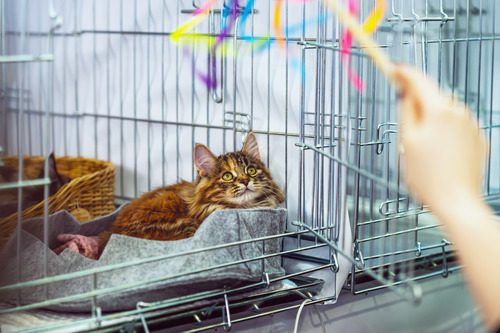
Cats thrive on short, intense bursts of activity that mimic hunting. Wand toys with feathers, laser pointers, and small balls they can chase engage their hunting instincts and build coordination. Rotating your cat’s toys keeps their interest high and helps prevent boredom. For cats that enjoy exploring, cat trees, tunnels, and climbing shelves create opportunities for independent pet play that also supports their physical agility. Multi-level environments also satisfy their natural curiosity and desire to perch up high.
Adapting Play to Age and Ability
Kittens and puppies have endless energy, while older pets may prefer slower-paced games. Adjusting your pet play routine ensures every pet can participate safely.
- Puppies and Kittens: Short, frequent play sessions build coordination and confidence. Soft toys, small balls, and gentle tug toys work well.
- Adult Pets: More structured activities like fetch, chase, or problem-solving games keep their minds sharp and bodies strong.
- Senior Pets: Focus on gentle play that avoids strain. Slow-moving toys, short games, and light walks with interactive elements help maintain mobility and engagement.
The Role of Pet Play in Behavioral Health
Behavioral challenges often stem from boredom or lack of stimulation. Pet play provides a natural outlet for energy and curiosity, which helps reduce unwanted habits. Regular play sessions can ease separation anxiety, discourage destructive chewing, and prevent attention-seeking behaviors. When your pet knows they’ll have dedicated playtime with you, they’re less likely to act out to get your attention.
Building Confidence Through Play
Play also helps shy or nervous pets feel more comfortable. Positive, low-pressure pet play interactions allow them to explore new experiences at their own pace. Gradually introducing toys, environments, and gentle touch during playtime builds trust and boosts confidence.
Strengthening the Human-Animal Bond
Pets crave connection, and play strengthens the bond between you and your companion. Every time you engage in pet play, you’re communicating care and attention. This mutual interaction deepens trust and enhances emotional well-being for both of you. Dogs learn to look to you for guidance during play, which reinforces training and respect. Cats, though more independent, also enjoy cooperative play sessions that make them feel secure and understood.
How to Make Pet Play a Part of Daily Life
Consistency is the secret to getting the most out of pet play. Integrating play into your routine ensures your pet’s physical and mental needs are met while adding fun to your day.
Set Aside Dedicated Playtime
Schedule short play sessions throughout the day to fit your pet’s energy level. Morning games can help burn energy before you leave for work, while evening play provides relaxation and bonding before bedtime. Even five to ten minutes of interactive play can make a noticeable difference in your pet’s mood and behavior. Use a mix of toys and activities to keep things fresh, and pay attention to your pet’s cues. They’ll tell you when they’re ready for more or need a break.
Create a Safe Play Environment
Always supervise pet play sessions to prevent accidents or ingestion of small toy parts. Choose toys made from durable, pet-safe materials and replace them when they become worn. For outdoor play, ensure your yard or designated area is secure. Keep an eye on weather conditions, and avoid overexertion in extreme heat or cold. Safety ensures playtime stays positive and stress-free.
Encouraging a Happier, Healthier Pet Through Play
Play is one of the simplest and most rewarding ways to enhance your pet’s quality of life. It keeps them active, sharpens their mind, and strengthens your connection. By incorporating daily pet play into your routine, you’re giving your companion the physical and emotional support they need to thrive. If you have questions about your pet’s activity level or how to choose the right toys for their age and health, our team at Temperance Animal Hospital is here to help. Call us at (734) 847-6751 to schedule your pet’s next wellness visit. Together, we’ll help your pet stay active, happy, and ready for their next play session.