
Cats are known for their clean, shiny coats, so when you notice flakes of cat dandruff on your pet’s fur or bedding, it can be surprising. Cat dandruff occurs when the skin produces excessive flakes due to dryness, irritation, or underlying issues that affect the skin’s natural balance. While it’s often a mild condition, cat dandruff can sometimes point to health concerns that require attention. Understanding what causes it, why it happens, and how it can be managed will help you support your feline companion’s comfort and skin health.
At Temperance Animal Hospital, we help pet parents understand the many factors behind cat dandruff and determine when professional care is best. If your cat’s skin seems unusually flaky or itchy, give us a call at (734) 847-6751 to schedule an exam with our experienced team.
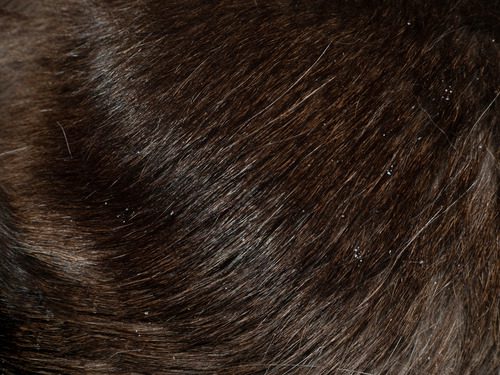
What Exactly Is Cat Dandruff?
Cat dandruff refers to visible white or gray flakes of dead skin that shed from your cat’s coat. These flakes can be seen on the fur, bedding, or furniture where your cat rests. Although minor flaking can occur occasionally, cat dandruff becomes a concern when it appears frequently or is accompanied by itching, redness, or changes in coat texture.
Cats naturally produce oils that moisturize their skin and coat. When that balance is disrupted either by environmental, dietary, or health-related factors, the skin can dry out, leading to the buildup of flakes. While dandruff might seem like a simple cosmetic issue, it often signals that your cat’s skin barrier is compromised.
What Causes Dandruff in Cats?
Several factors can contribute to flaking and dryness, ranging from environmental conditions to underlying medical concerns.
Dry Air and Low Humidity
Just like people, cats can develop dry skin when indoor air lacks moisture, especially during Michigan’s cold winter months when heating systems run frequently. Dry environments pull moisture from the skin, leaving it flaky and irritated.
Dehydration and Diet
Hydration and nutrition directly affect skin and coat health. Cats that don’t drink enough water or eat low-quality diets may lack essential fatty acids and nutrients that keep their skin supple. Omega-3 and Omega-6 fatty acids, found in many feline diets, help maintain healthy skin oils and prevent dryness that leads to cat dandruff.
Grooming Habits and Weight Issues
Overweight or less flexible cats may struggle to groom themselves effectively. When cats can’t reach certain areas, oils and dead skin can accumulate, leading to flaking along the lower back or near the tail. Poor grooming habits often make dandruff more noticeable.
Allergies and Skin Sensitivities
Allergies (whether caused by food ingredients, environmental irritants, or flea bites) can also lead to cat dandruff. Allergic reactions often make the skin itchy and inflamed, causing excessive scratching and flaking.
Parasites and Skin Conditions
External parasites, such as fleas or mites, can irritate your cat’s skin and cause visible flakes. One specific type, Cheyletiella mites, is sometimes referred to as “walking dandruff” because the mites themselves are large enough to be seen moving through the fur. If you notice persistent dandruff despite good grooming and diet, a professional exam is essential to rule out parasites or other dermatologic issues.
When is Cat Dandruff a Sign of a Health Issue?
While mild cat dandruff might not be a cause for alarm, ongoing flaking, itching, or changes in your cat’s coat could indicate something more serious. Cats are experts at hiding discomfort, so paying attention to subtle skin and grooming changes can make a big difference.
Visible Redness or Sores
If you notice redness, scabs, or raw patches on your cat’s skin, the dandruff could be linked to irritation or infection. Persistent scratching or biting at specific spots often worsens these symptoms.
Hair Loss or Thinning Coat
Patchy hair loss alongside cat dandruff might point to hormonal issues, parasites, or allergies. When hair thinning appears with oily or scaly skin, your veterinarian should evaluate the underlying cause.
Behavioral or Grooming Changes
Cats that suddenly groom excessively or stop grooming altogether might be responding to skin irritation or discomfort. A professional exam helps determine whether the behavior is linked to pain, stress, or a dermatologic issue. If your cat’s dandruff persists or seems to worsen despite grooming and environmental adjustments, schedule a visit at Temperance Animal Hospital. Our team can perform diagnostic tests to uncover what’s really going on beneath the surface.
Managing Cat Dandruff Through Preventive Care
Keeping cat dandruff under control often involves a combination of consistent grooming, proper nutrition, and environmental support. By focusing on prevention, you can reduce dryness and improve your cat’s skin and coat quality over time.
Regular Brushing
Frequent brushing removes dead hair and skin cells while distributing natural oils evenly across your cat’s coat. For long-haired breeds, daily grooming helps prevent tangles and buildup that can worsen dandruff.
Proper Hydration and Balanced Diet
Encourage your cat to drink more water by offering multiple water bowls or a cat fountain. Wet food can also increase hydration levels. A balanced diet that includes omega fatty acids supports skin elasticity and a healthy coat.
Environmental Adjustments
Using a humidifier during the dry winter months can help maintain indoor moisture levels. Keeping your home’s humidity moderate supports your cat’s skin and reduces flaking.
Routine Veterinary Visits
Even if your cat appears healthy, routine checkups help identify subtle signs of cat dandruff before they become noticeable. Preventive care allows your veterinarian to monitor changes in skin health and provide tailored advice for your cat’s needs.
The Role of Professional Grooming and Veterinary Support
In some cases, professional grooming or veterinary care is necessary to manage persistent cat dandruff. A professional can help remove buildup and assess the condition of your cat’s skin more closely. Veterinarians can also examine for underlying causes such as allergies, hormonal imbalances, or external parasites. Depending on the findings, they may recommend diagnostic tests or adjustments to your cat’s care routine to promote long-term skin health. At Temperance Animal Hospital, our team provides thorough skin and coat evaluations to uncover what’s causing your cat’s dandruff. We also help you develop a customized care plan that supports your cat’s comfort and appearance.
Helping Your Cat Feel Comfortable Again
No one likes to see their cat uncomfortable, and cat dandruff can be a visible sign that something needs attention. By taking steps to maintain healthy skin and seeking professional guidance when necessary, you can make your cat’s coat shine again. If you notice persistent flakes, itching, or changes in your cat’s grooming habits, reach out to Temperance Animal Hospital in Temperance, Michigan, for help. Call (734) 847-6751 to schedule an appointment with our experienced veterinary team. We’re here to make sure your cat feels their best from whiskers to tail.